


-
Almond Oil, Sweet (BP)
Regular price From £3.12 GBPRegular priceUnit price per -
Apricot Kernel Oil
Regular price From £2.89 GBPRegular priceUnit price per -
Argan Oil, Cold Pressed Deodorised
Regular price From £9.49 GBPRegular priceUnit price per -
Avocado Oil, Refined
Regular price From £3.45 GBPRegular priceUnit price per -
 Sold out
Babassu Oil Refined
Regular price From £2.28 GBPRegular priceUnit price per -
Calendula oil (infused in Sunflower oil)
Regular price From £2.75 GBPRegular priceUnit price per -
Camellia Seed Oil (Refined)
Regular price From £1.78 GBPRegular priceUnit price per -
Castor Oil, Refined
Regular price From £2.44 GBPRegular priceUnit price per -
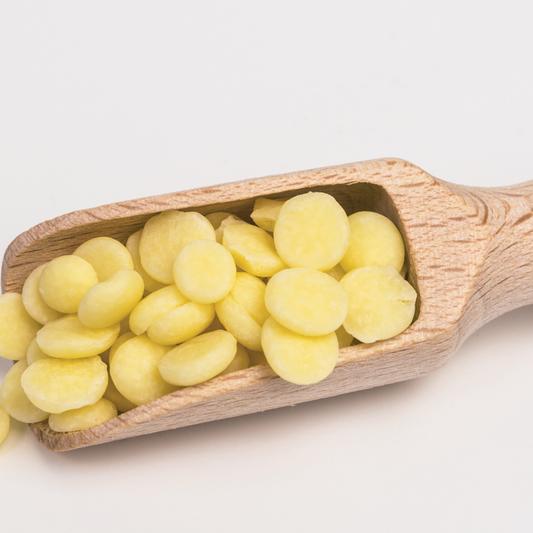
Cocoa Butter grains, natural aroma
Regular price From £7.52 GBPRegular priceUnit price per -
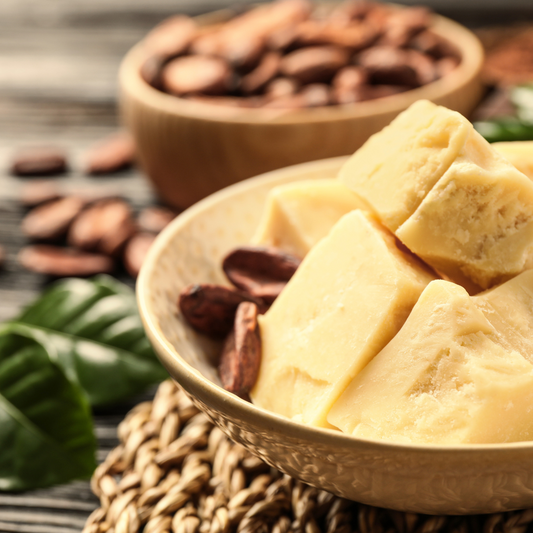
Cocoa Butter, organic unrefined
Regular price From £9.95 GBPRegular priceUnit price per -
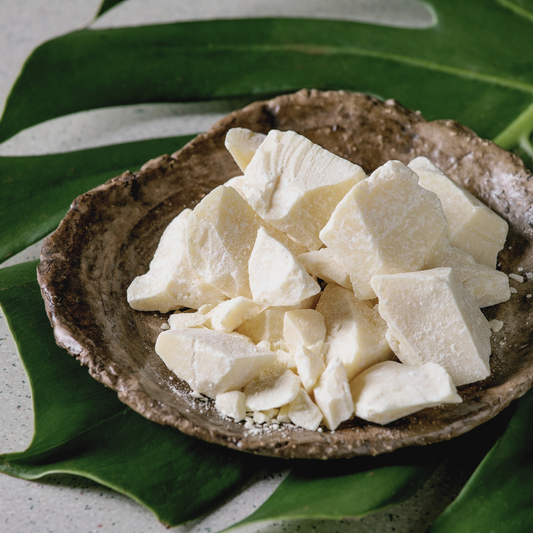
Cocoa Butter, refined deodorised
Regular price From £6.02 GBPRegular priceUnit price per -
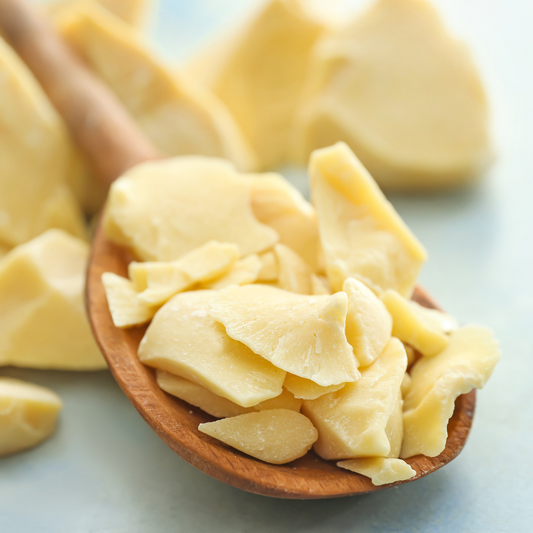
Cocoa Butter, unrefined
Regular price From £6.20 GBPRegular priceUnit price per -
Coconut Oil solid
Regular price From £7.00 GBPRegular priceUnit price per -
Coffee Oil (Green)
Regular price From £6.78 GBPRegular priceUnit price per -
Fractionated Coconut Oil, Caprylic/Capric Triglyceride
Regular price From £4.47 GBPRegular priceUnit price per -
Grapeseed Oil
Regular price From £2.89 GBPRegular priceUnit price per -
Hemp seed oil cold pressed
Regular price From £3.42 GBPRegular priceUnit price per -
Jojoba Seed Oil - Golden
Regular price From £8.07 GBPRegular priceUnit price per -
Macadamia Nut Oil
Regular price From £4.10 GBPRegular priceUnit price per -
Mango Butter refined
Regular price From £4.10 GBPRegular priceUnit price per -
Moringa Oil Organic
Regular price From £8.33 GBPRegular priceUnit price per -
Oat Kernel Oil Refined
Regular price From £5.28 GBPRegular priceUnit price per -
Olive Pomace oil
Regular price From £6.95 GBPRegular priceUnit price per -
Olive Squalane
Regular price From £8.69 GBPRegular priceUnit price per -
 Sold out
Passion Seed Oil (Refined)
Regular price From £3.26 GBPRegular priceUnit price per -
Raspberry Seed Oil, refined
Regular price From £2.91 GBPRegular priceUnit price per -
Rosehip Seed Oil
Regular price From £5.18 GBPRegular priceUnit price per -
Safflower Oil (High Linoleic)
Regular price From £3.34 GBPRegular priceUnit price per -
Sea Buckthorn oil
Regular price From £10.13 GBPRegular priceUnit price per -
Shea Butter, refined
Regular price From £6.25 GBPRegular priceUnit price per -
Tallow Refined White Premium Grade
Regular price From £6.25 GBPRegular priceUnit price per


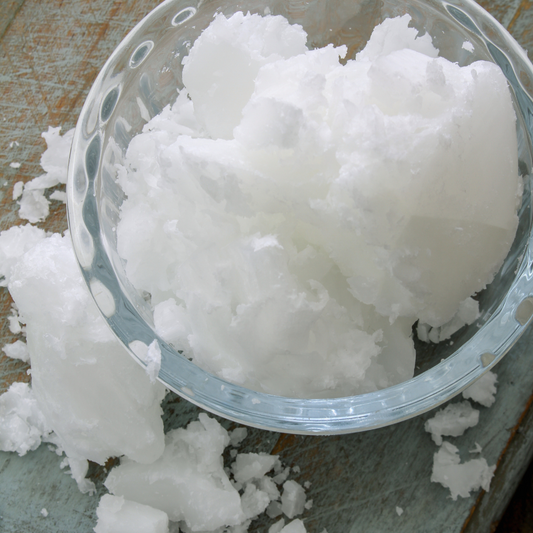


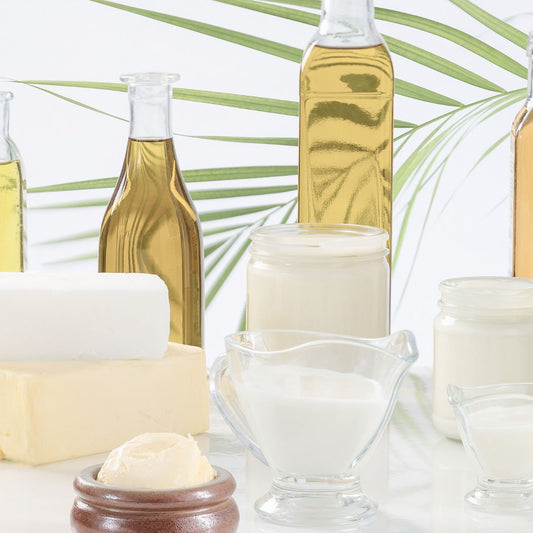

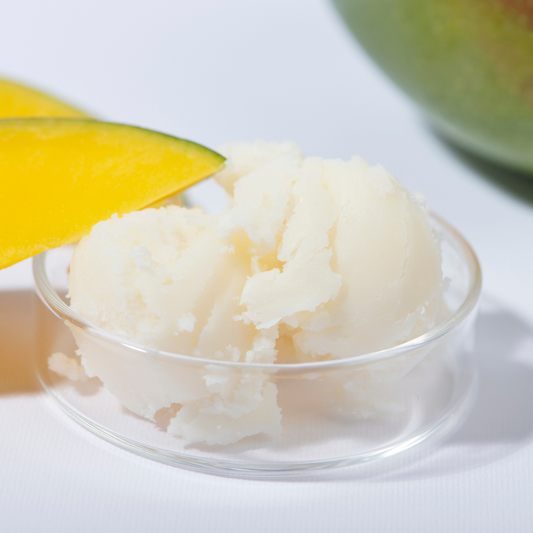


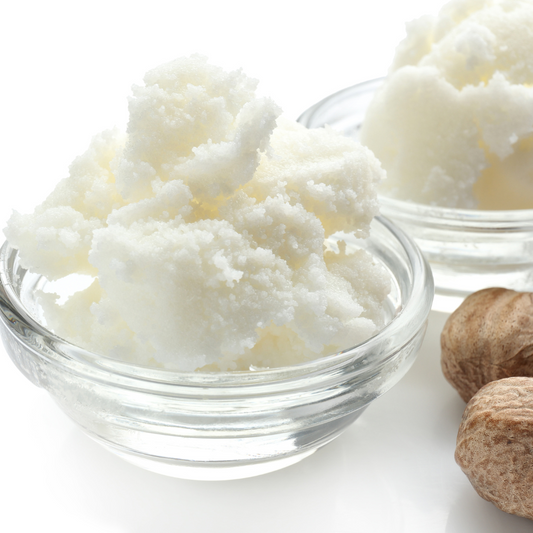
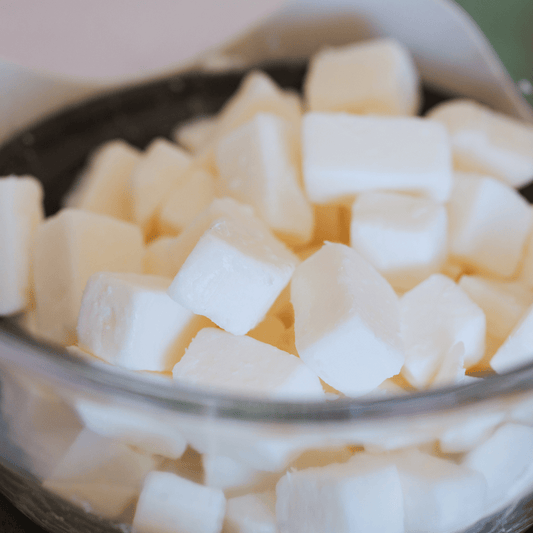
Browse Our Butters & Oils
-

Cosmetic Butters
Used to give products body, structure, and a more solid consistency. Common examples include shea butter, cocoa butter, mango butter, avocado butter, and kokum butter, each contributing different levels of firmness, richness, and skin feel.
- Common in balms, body butters, and solid formulations.
- Help products hold their shape and remain stable over time.
- Add conditioning properties to Cold Process Soap, providing enrichment and label appeal.
- Can affect the melt point, firmness, and overall texture.
-

Carrier Oils
Used to dilute, carry, and balance other ingredients in your formulation. Popular carrier oils include jojoba and coconut oil, which are widely used in facial oils, hair care products, and lightweight formulations.
- Control how quickly your product absorbs into the skin.
- Can feel light and fast-absorbing or rich and slow to sink in.
- Often make up the majority of facial oils and serums.
- Play a key role in overall skin feel and customer experience.
-

Animal Fats
Used when you want to fine-tune performance or positioning.
- Can influence texture, absorption, and conditioning properties.
- Increase lather, improve longevity of the bar in use, and create a really solid, high-performing soap.
- Help improve hardness, stability, and overall product structure.
- May be selected for specific formulation goals or marketing claims.


Who Are These Butters & Oils Suitable For?
Let customers speak for us

Always go to oil for all products. Consistent good quality and excellent price.

I am so happy I with this recipe and assessment! If you're not new to liquid soap making I highly recommend it. It creates a beautiful lathering soap and very easy to make with videos available. Don't be afraid of liquid soap making! Thank you to all CSS team, all your hard work is appreciated :)

The product makes up beautifully and the combination of a ready made CPSR is an absolute dream; making an otherwise very complex process very user friendly and transparent meaning that the focus as a small business can be on other areas of compliance.
Thank you

I love this assessment, the recipe is easy to follow and Tanias video is super helpful to check consistency and how it should be looking! My husband (aka guinea pig) absolutely loves it, he’s threatened divorce if he finds his personal stash empty when he wants to use it 😂

I ordered a CPSR Beef Tallow kit from Cosmetic Safety Solutions. The service i received was outstanding. The order was delivered next day together with the Recipe and easy to follow Method to allow me to manufacture my first batch with complete success. The follow up communication via e mail was brilliant and answered all of my subsequent questions speedily. Within one week i was able to refine my manufacture process and produce Tallow Balm and Whipped Tallow ready for market. I would not hesitate to recommend Cosmetic Safety Solutions to anyone looking for a professional partner in the supply of Skin Care products. Outstanding.
Wow, I cant say enough great things about this recipe and assessment, the fragrances are gorgeous, the micas are beautiful to work with and the recipe is simple but pure indulgence. Outstanding CSS once again 👏

Started making these soaps and they are wonderful. Lather is great and the smell is amazing.

I use this personally and it is just brilliant. It transforms skin and a little really does go a long way. I have lots of repeat customers of all ages for this and they all love it too.

Brilliant value for money. The Recipe is lovely with a good choice. The ingredients are excellent quality

This has to be one of the only RH oils that doesn't smell a bit rancid after time. The quality is really really good and I am a repeat purchaser.

Omg it’s absolutely gorgeous but then again all your ingredients are the best. I won’t shop anywhere else now

I'm thrilled with the body butter recipe, and the scent blends. The texture is great, feels lovely and luxurious on the skin. My customers are going to love it! Super quick turnaround as well. I got the CPSR in a few days!
Why Choose Cosmetic Safety Solutions’ Butters & Oils?
-

Ingredients selected to reduce common CPSR approval issues
-

Documentation prepared to meet assessor requirements
-

Transparent sourcing so you know exactly what you are using
-

Direct access to qualified safety assessors when you need guidance


